
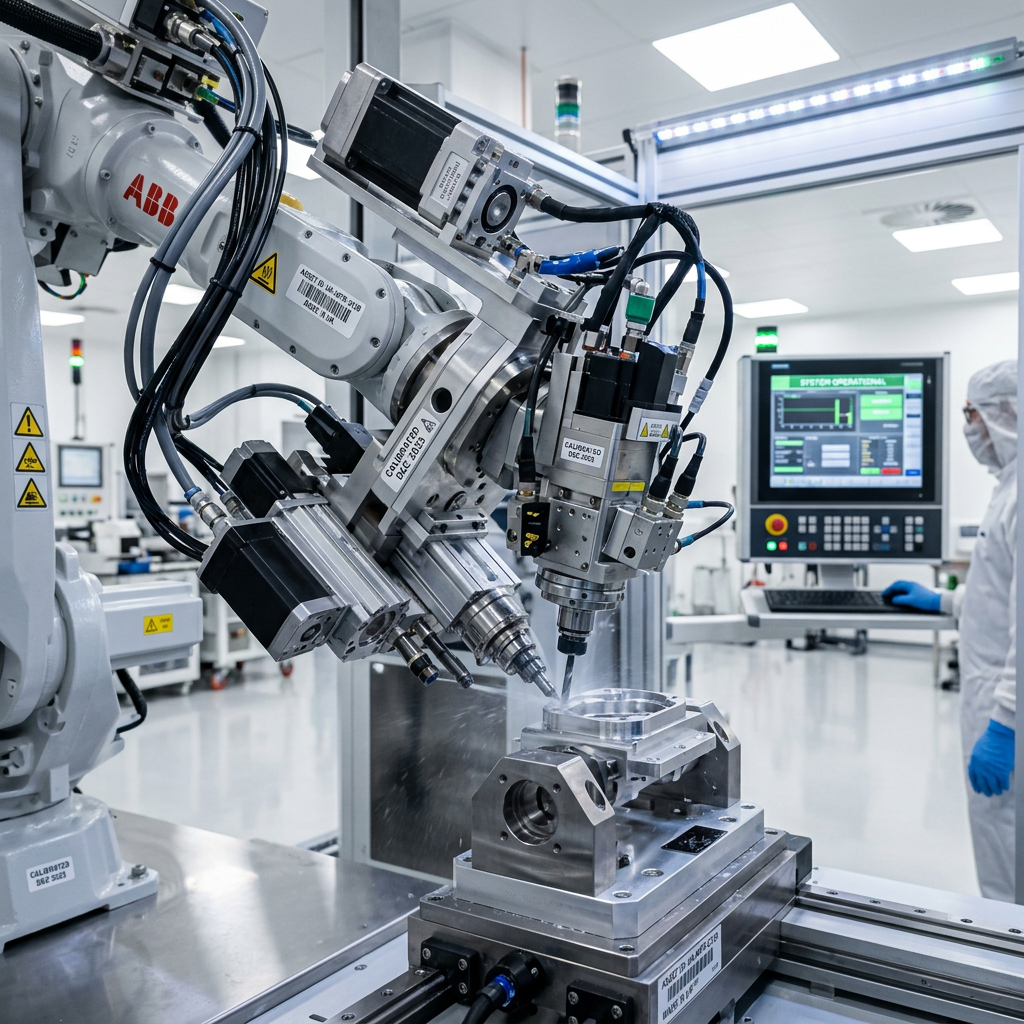
Many UK business owners sit on a goldmine without ever realizing it. If your business owns high-value machinery, vehicles, or specialized equipment outright, you have a powerful tool at your disposal: equipment refinancing. This strategic financial product allows you to ‘sell’ your assets to a lender and lease them back, providing an immediate cash injection without disrupting your operations.
How Equipment Refinancing Works
The process is straightforward. A lender assesses the current market value of your existing assets. They then buy the assets from you for a significant percentage of that value—often up to 80-90%—releasing that capital directly into your business’s bank account. You then pay for the use of the equipment through manageable monthly instalments over a fixed term. At the end of the term, ownership typically returns to you.
Why Refinance Now?
Refinancing is an excellent way to boost working capital without taking on traditional ‘new’ debt. It leverages the value you’ve already built in your business. This capital can be used for any business purpose—funding a new contract, paying a tax bill, or investing in research and development. In a 2026 market where agility is key, having access to this ‘internal’ source of funding can be a major competitive advantage.
Neo Business Finance specializes in helping SMEs across sectors like manufacturing, construction, and healthcare unlock the capital hidden in their plant and machinery. Our team ensures the valuation is fair and the repayment terms align with your cash flow. Contact us today to explore the value of your assets.